

Non-Profit Development
Building Sustainability Planning
Capital Management
Finance Planning
Non-profit associations and co-operatives are responsible to their members and community they seek to serve. To respond to this, LDG has developed a process that is tailored to meet the needs of the non-profit sector.
Engagement
Concept Planning
Feasibility
Financing
Pre-construction
Physical Development & Construction
Turnover
Our Approach
The steps noted above capture the various development phases a project will move through as it is designed and developed. Each development phase results in deliverables and decision-points that help move the project through the rest of the development process.
Phase 1: Engagement
In this stage, LDG meets with the client to learn more about the project concept, explore initial project needs, and understand the level of support required from LDG on the part of the client. Through this process, the project’s goals and objectives are refined, and a potential budget is determined.
This phase intends to gain a clear understanding of the client’s project and form an agreement for continued work.
Phase 4: Financing
Many non-profit housing developments make use of funding programs offered by Canada Mortgage and Housing Corporation (CMHC) and Federation of Canadian Municipalities (FCM). Identified funders will be engaged throughout this process to determine the level of support available through municipal, provincial, and federal programs. LDG will work with the client to prepare the needed documents and assist the client in navigating the funding review process. This includes coordinating independent but complementary funding sources.
Phase 2: Concept Planning
Once an initial understanding of the project is established, an initial project sketch will be completed to better understand the concept. This sketch will also be used to prompt continued conversations and input from the client group, as well as any other interested parties or stakeholders.
This phase intends to better understand the project budget, establish location and land agreements, and define the project’s target market and eventual residents.
Phase 5: Pre-Construction
After initial feasibility is proven the project continues with complete construction documents, a full costing by a quantity surveyor is conducted, building permit is acquired, and contractors are selected, and agreements put into place.
Phase 7: Turnover
Construction is completed, and residential occupancy is in progress. LDG will work with the client to determine property management arrangements through LDG’s network should it be required.
Phase 3: Feasibility
After the project concept is approved by the client group, continued work is completed for preliminary drawings and costing. A need and demand analysis is completed along with a project capital and operating budget. Project and organizational documents are gathered, and submissions are completed to relevant funders and financing bodies.
This stage intends to have a firm idea of the project concept and determine if the project is feasible based on market need and demand, project cost, and relevant funding and financing. Various consultants and municipal, provincial, and federal contacts will be made as part of this process.
Phase 6: Construction
Construction is initiated by the contractors. LDG works with the construction manager or contractor, depending on the arrangement. Project meetings take place on a regular basis to ensure deliverables are completed on time. Changes to the financial plan are monitored. As the project nears completion, property management is considered.
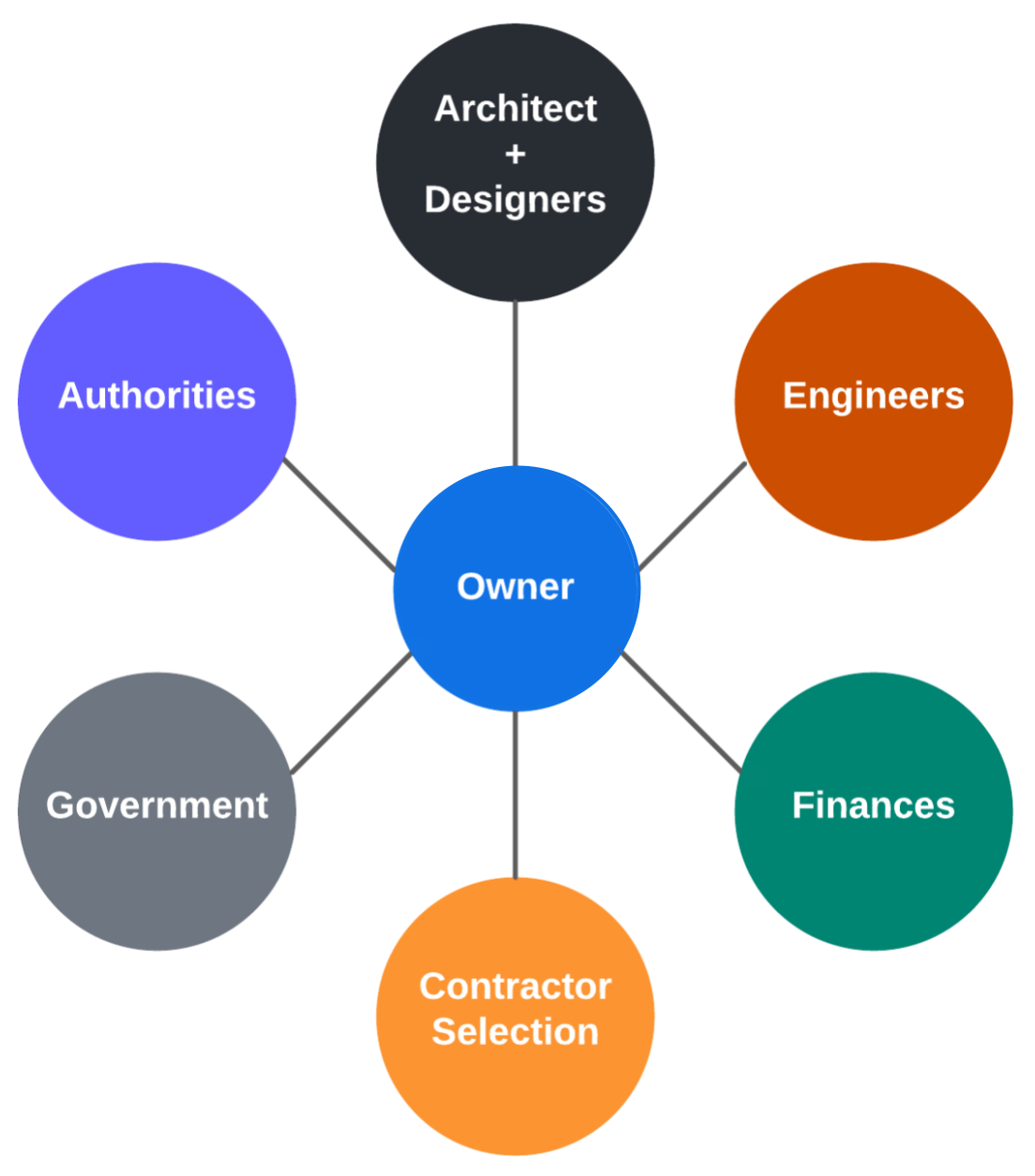
Without a Resource Consultant
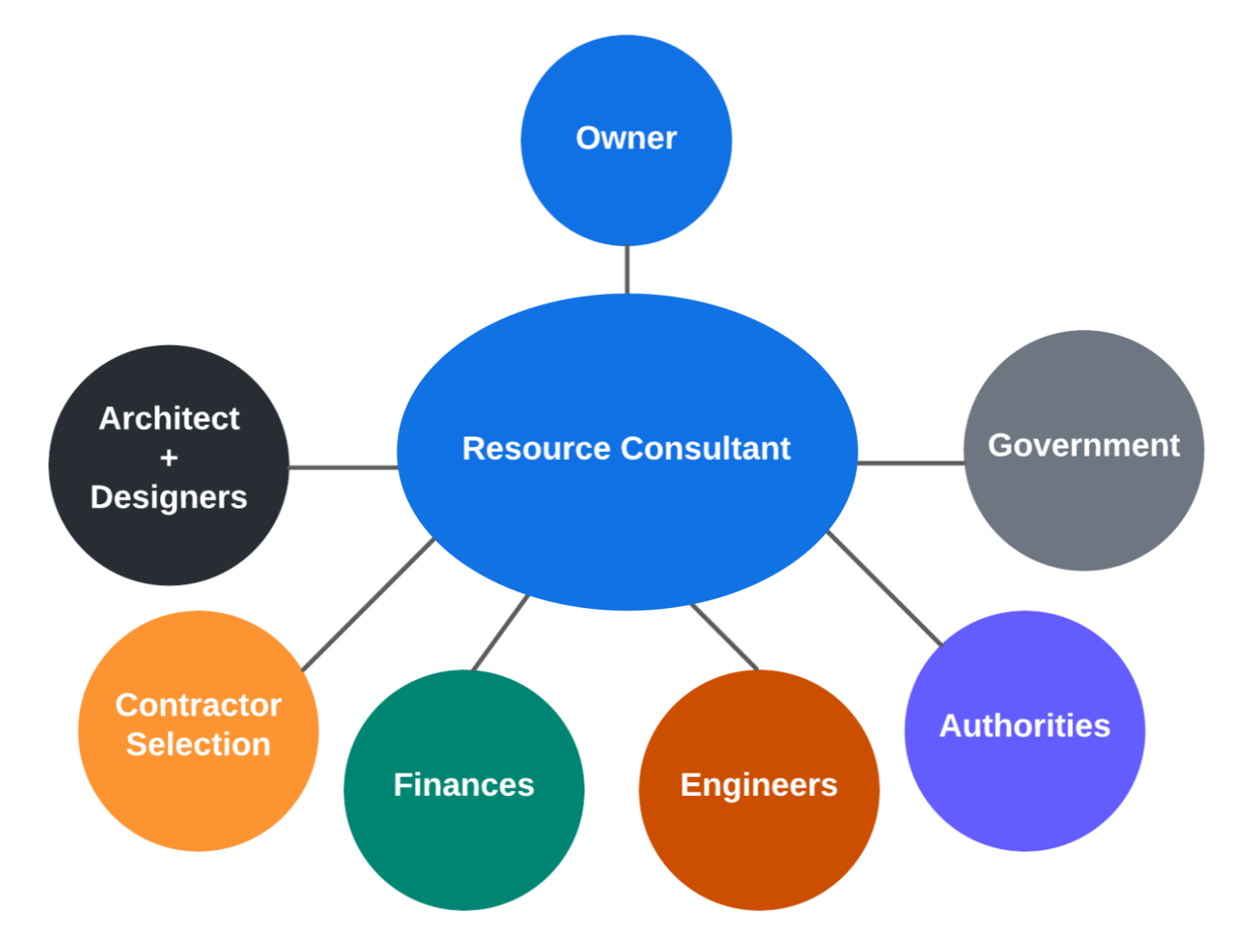
With a Resource Consultant
Contact Us
Interested in working together? Fill out some info and we will be in touch shortly.